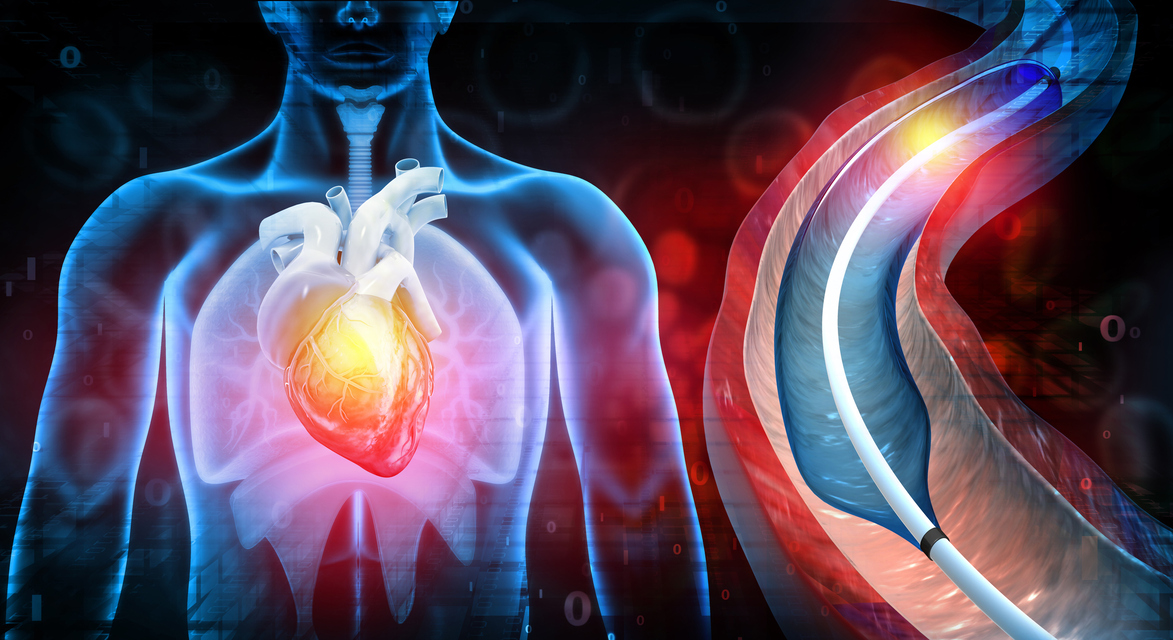
We offer state-of-the-art diagnosis and treatment and the highest quality of care for patients with advanced airway and pleural disease.
Central Airway Program
Obstruction and stenosis of the trachea and central bronchial airways can limit your ability to breathe and perform everyday tasks. This can happen with cancer where a tumor is compressing or growing within the trachea and bronchus and with non-cancerous obstructions such as stenosis or scarring. This can also be caused by infections, inflammatory diseases, or complications from treatments like endotracheal intubation and tracheostomies.
Our Central Airway Program removes obstructing tissue through bronchoscopic procedures like: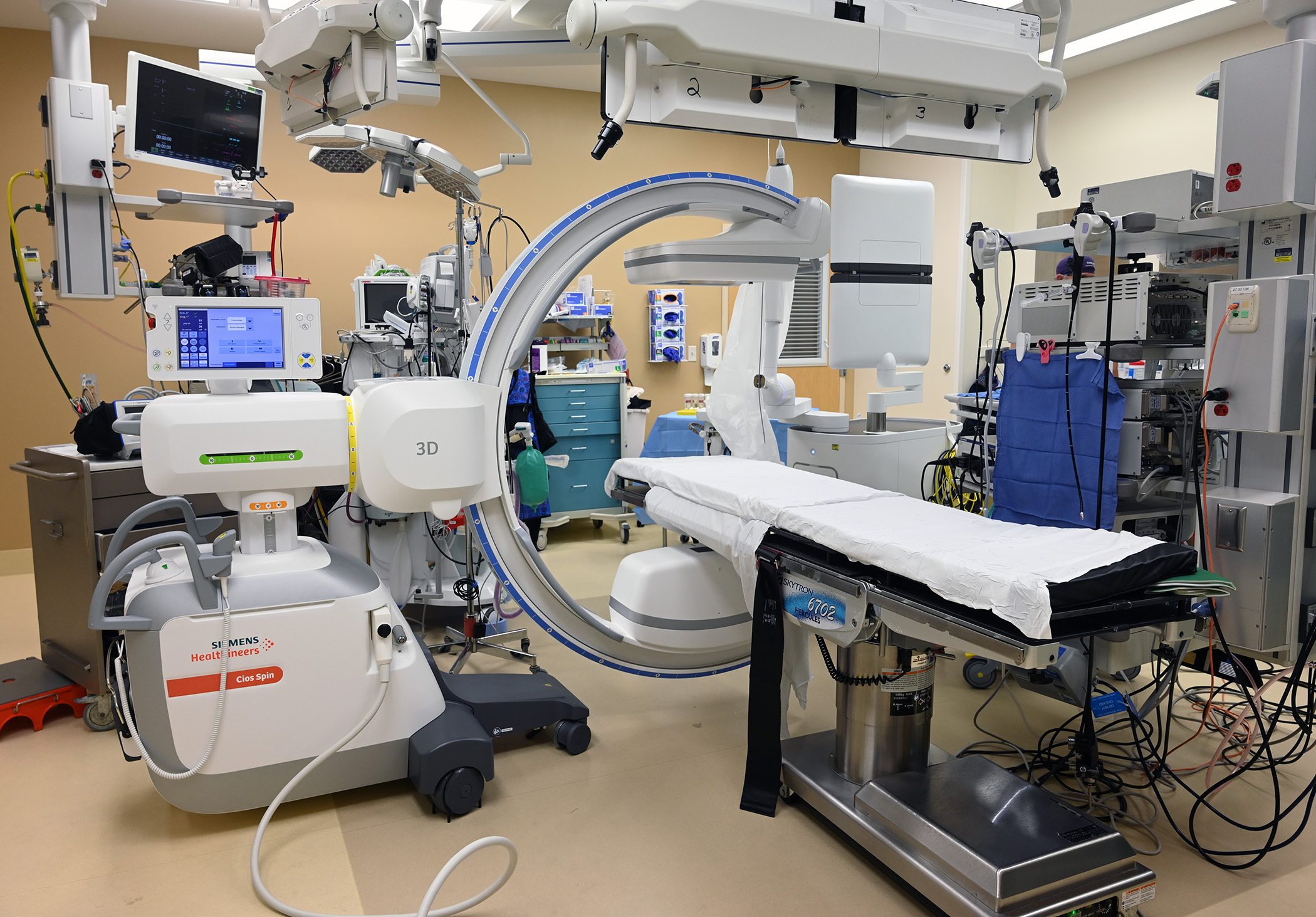
- Argon Plasma Coagulation
- Cryotherapy
- Cryospray
- Electrosurgery
- LASER
- Photodynamic therapy
- Rigid bronchoscopy
We can also place or remove airway stents (silicone, metallic, Y stents, iCast, Bioabsorbable, 3D customized stents), tracheostomy tubes, and Montgomery t-tubes/cannulas to help patients breathe comfortably.
Pleural Disease Program
The pleura is a thin sheet of tissue that surrounds the outside of your lungs. Pleural disease can cause fluid buildup in the chest, making it difficult to breathe which causes other symptoms like coughing and chest pain. This disease is a common condition for many patients with cardiac, liver, and renal disease, as well as numerous types of cancer.
In addition to fluid buildup, patients can have air leak into the chest cavity also known as pneumothorax.
Our program offers a comprehensive pleural care service and we perform in-clinic procedures to relieve patient symptoms and preventive measures to help keep patients out of the hospital. We perform:
- Thoracentesis
- Chest tube placement
- Tunneled or indwelling pleural catheters
For patients requiring further workup, patients can be taken to the operating room for:
- Medical thoracoscopy with pleural biopsies
- Pleurodesis
Tracheobronchomalacia Program
Tracheobronchomalacia is a condition where the cartilage in the trachea and bronchi are weakened, making it difficult to breathe. Tracheobronchomalacia symptoms include persistent cough, loss of breath, and recurrent respiratory infections.
Our Tracheobronchomalacia Program can help identify these conditions using state-of-art diagnostic procedures. We work closely with our interdisciplinary team to treat this condition with airway stents and collaborate with our thoracic surgery team to consider surgical approaches to stabilize the trachea and airways.